Business Performance Dashboard for 2890777707, 8003009674, 954487126, 503122, 4694606710, 910059075

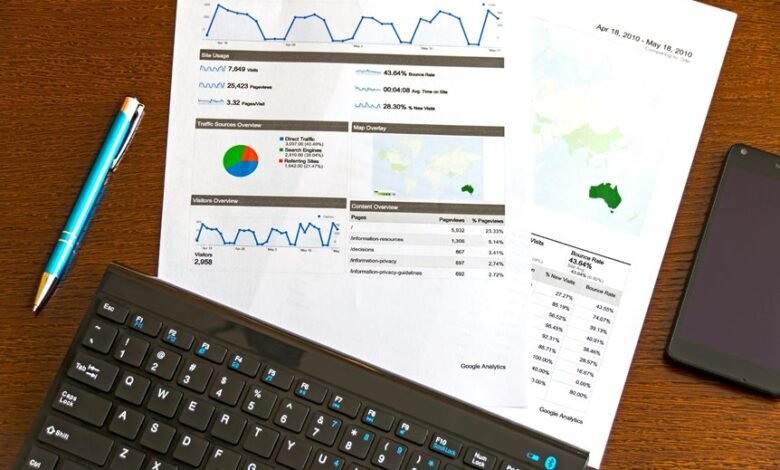
The implementation of a Business Performance Dashboard for identifiers such as 2890777707 and 8003009674 presents a strategic opportunity for enhanced operational insight. This dashboard would aggregate critical performance metrics, facilitating real-time analysis and informed decision-making. By leveraging advanced visualization techniques, stakeholders could identify trends and anomalies efficiently. However, the effectiveness of this dashboard relies heavily on its design and the relevance of the data presented, raising important considerations for deployment.
Key Features of Business Performance Dashboards
Business performance dashboards serve as essential instruments for organizations seeking to gain insights into their operational effectiveness and strategic alignment.
Key features include advanced data visualization tools that transform complex performance metrics into intuitive displays. These dashboards facilitate real-time monitoring, enabling decision-makers to swiftly identify trends and anomalies, thereby promoting agile responses and fostering a culture of informed autonomy within the organization.
Benefits of Implementing a Dashboard for Performance Tracking
While organizations may possess a wealth of data, the true advantage lies in their ability to harness that information effectively through performance tracking dashboards.
These dashboards facilitate data visualization, allowing stakeholders to quickly interpret performance metrics. By highlighting trends and anomalies, they empower decision-makers to optimize strategies, enhance operational efficiency, and ultimately drive growth.
This fosters a culture of informed decision-making and accountability.
How to Create an Effective Business Performance Dashboard
Creating an effective business performance dashboard requires meticulous planning and strategic insight. Essential steps include identifying relevant performance metrics and utilizing data visualization techniques to present information clearly.
Analysts should ensure that the dashboard aligns with organizational goals, facilitating informed decision-making. By prioritizing user experience and clarity, stakeholders can access real-time insights, ultimately driving performance improvements and enhancing operational freedom.
Real-World Examples of Successful Dashboard Implementation
Organizations across various industries have successfully implemented performance dashboards to enhance decision-making and operational efficiency.
Dashboard success stories reveal how companies leverage metrics visualization techniques to track KPIs effectively. For instance, a retail chain utilized dashboards to analyze sales data in real time, leading to increased responsiveness and improved inventory management.
Such implementations demonstrate the strategic value of data-driven insights in fostering organizational growth.
Conclusion
In the dynamic landscape of business, a performance dashboard serves as a lighthouse, illuminating the path to informed decision-making. By harnessing the power of data visualization, organizations can navigate through trends and anomalies with precision. The implementation of such a dashboard not only cultivates a culture of accountability but also propels growth by aligning strategic initiatives with tangible outcomes. Ultimately, it transforms raw data into a strategic compass, guiding stakeholders towards a future of operational excellence and sustained success.